
Gold Loan vs Selling Gold: What Makes More Sense?
Whether selling your gold or taking a gold loan is the better choice depends on your individual circumstances, and this blog will help you determine which option is right for you.
Alok Parmar
June 09, 2026
Article Index
Short Answer
If you have stable income and a short-term need, a gold loan can make sense — the cost is known and you get your jewellery back once you repay. If repayment is uncertain or the expense keeps recurring, selling removes the risk of losing your gold entirely. The one-time making charge loss from selling is usually smaller than what you'd pay in interest over a year or two on a loan. Weigh both honestly before deciding. At AsliValue, we help people sell gold at the live domestic gold rate, at home, with no obligation to proceed until you see the full calculation.
To understand the topic in depth and make an informed decision, read the complete article.
How Gold Loans Work
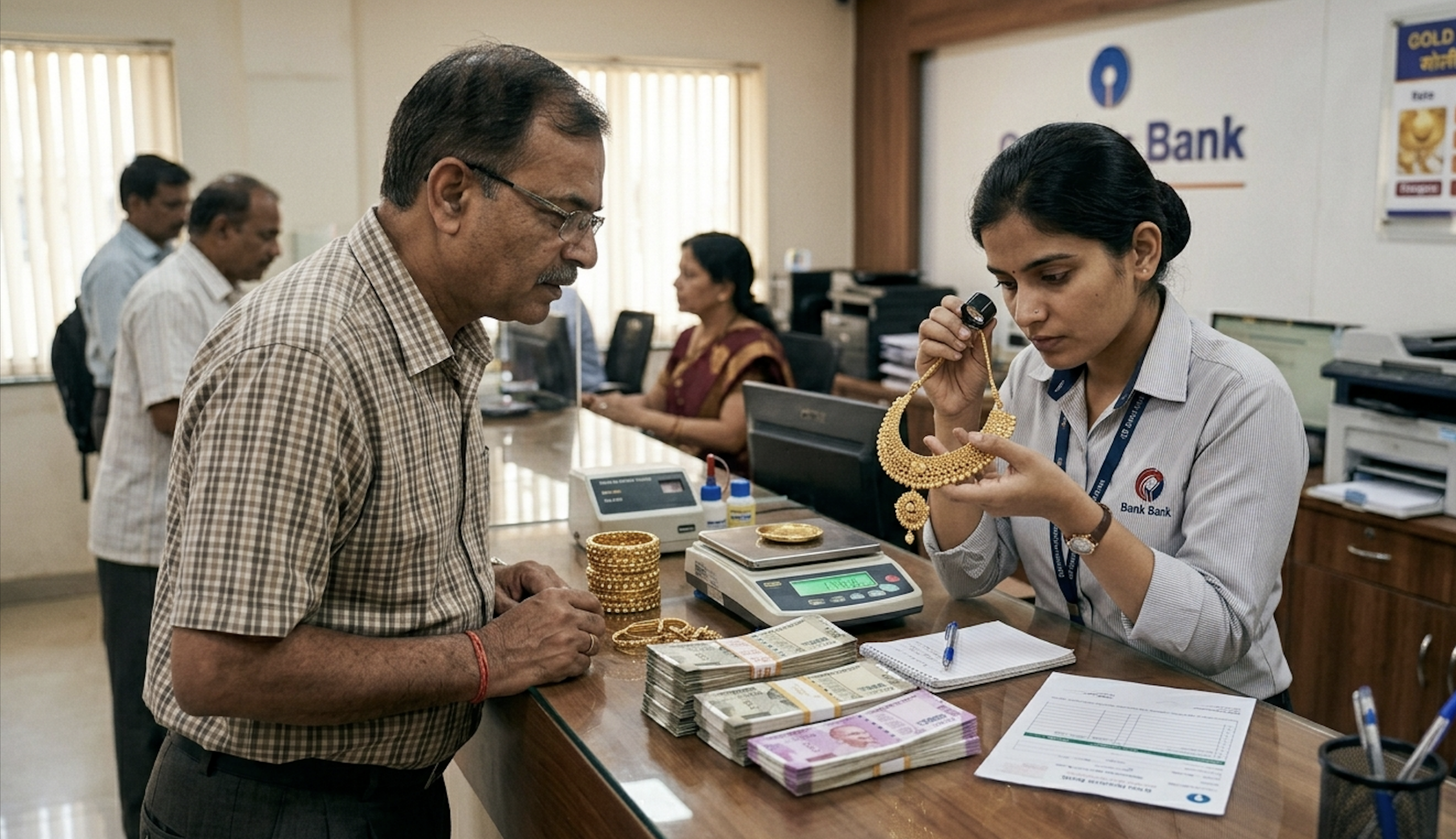
A gold loan lets you pledge jewellery as collateral and get cash — often within hours if your KYC is ready. Interest rates at banks typically start around 8–12% per annum. NBFCs may advertise 1–2% per month, but effective rates including fees often reach 20–24% annually. RBI caps the loan at 75–85% of the gold’s market value, meaning a ₹1 lakh gold asset may fetch ₹75,000–85,000 as a loan. Processing and appraisal fees add to the effective cost.
Costs and Risks of Gold Loans
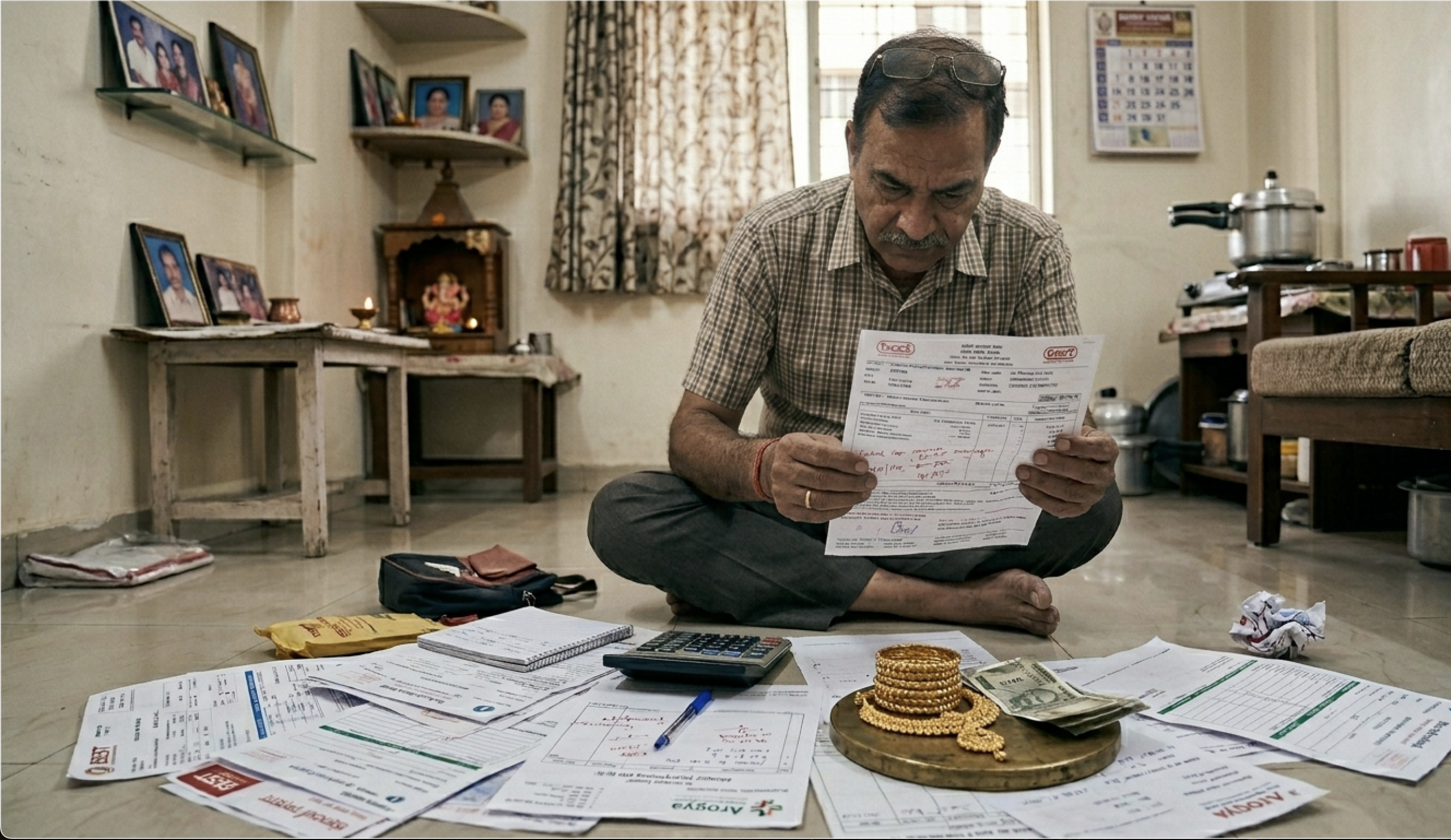
Gold loans carry real risks if used for long-term needs or rolled over repeatedly. Even at 12–18% annually, interest adds up fast. Borrowers who only pay monthly interest and keep renewing the loan can end up paying close to the ornament’s full value in interest alone. RBI data shows that gold loan defaults almost always result in the lender auctioning the pledged gold. In practice, this means family heirlooms can be permanently lost. Financial experts warn against using gold loans for recurring expenses — if the repayment source is unclear or unstable, the loan can quickly become a debt trap.
When a Gold Loan Makes Sense

A gold loan works if you have a short-term need and a clear repayment plan. It suits situations like urgent medical expenses covered by incoming insurance, immediate business capital where returns exceed the loan cost, or cases where the jewellery holds strong sentimental value and you expect gold prices to rise further. The key condition is a stable, reliable income that makes timely repayment realistic.
Note: If a buyer understates your gold’s purity to pay less, or applies undisclosed charges, this likely constitutes an unfair trade practice under Section 2(47).
You can file at:
● District Consumer Commission — for disputes up to ₹50 lakh
● National Consumer Helpline — 1915
● E-Daakhil Portal — edaakhil.nic.in (online filing)
When Selling Gold Makes More Sense
Selling outright eliminates debt entirely. There are no EMIs, no interest, and no risk of losing your gold to auction. By selling at market rates you typically recover the full metal value, whereas a loan caps your cash at around 80% LTV. The one-time loss is the making charge — usually 5–15% of the jewellery’s value — which does not come back on resale. In most cases, this single loss is smaller than years of 15–20% annual interest on a loan.
Selling makes the most sense when repayment is uncertain, the expense is recurring, or you simply want to clear the need immediately without taking on debt.
If you've decided selling makes more sense for your situation, AsliValue can help you get a fair price without leaving home. Our executive visits at your convenience, tests your gold in front of you using touchstone and acid testing, and shows you the complete calculation before you decide anything. Payment is by instant bank transfer, before the gold leaves your hands.