Gold Valuation at Home: Why We Can't Give You a Fixed Price Over the Phone.
Most phone quotes for gold are either a guess or a number the buyer never intended to honour. Here's what's actually going on.
Alok Parmar
June 09, 2026
Article Index
Introduction
You called to ask what your gold is worth. We gave you a range. That range wasn't a tactic to get you in the door. It's what honest gold valuation at home actually requires.
The Valuation Formula
Net Gold Weight (g) × Purity % × Live Rate = Your Payout
Every variable except the live rate requires physical access to your jewellery.
The formula is straightforward: net gold weight multiplied by purity, multiplied by the live rate. The live rate is the one thing we can tell you over the phone. The other two, weight and actual purity, need the piece in front of us. Any buyer who gives you a firm number before seeing the piece is either guessing or quoting a figure they never plan to stand behind.
Why Net Gold Weight Can't Be Confirmed Without Weighing
You might know your necklace weighs 20 grams. But what was weighed when you got that figure — the full piece including stones, clasps, and fillings, or the gold alone?
What matters for valuation is net gold weight: the total weight after removing everything that isn't gold. That includes:
● Gemstones and their settings
● Lac or wax fillings inside hollow bangles or pendants
● Metal clasps, hooks, and connectors (often a different alloy entirely)
● Enamel and decorative coatings
To put that in numbers: a piece that weighs 25 grams on your kitchen scale might carry 5 grams of non-gold components. That means only 20 grams is payable gold. At a 22K rate, that 5-gram gap is roughly ₹35,000 to ₹44,000 depending on the day's rate.
We can't estimate those deductions without seeing the piece. And giving you a number without knowing this would mean quoting you the wrong figure.
Source: IBJA (India Bullion and Jewellers Association) Gold Rate Benchmark — live rate updated daily; net weight deduction methodology as per standard industry refinery valuation practice.
Why Purity Can't Be Assumed From the Hallmark Stamp
This is where most people are surprised — and where the phone quote problem runs deepest.
The karat stamped on your jewellery is what it was sold as, not necessarily what it will test at. India's jewellery manufacturing practices vary widely across decades, and the actual gold content of a piece depends heavily on how it was made.
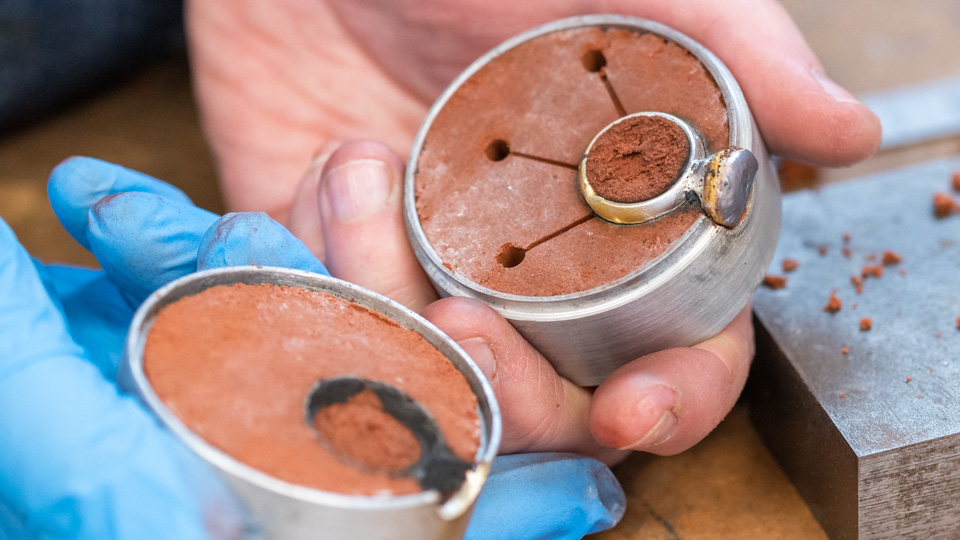
Cast jewellery vs. handcrafted jewellery
Factory-cast pieces are made by pouring molten gold alloy into moulds. The composition is consistent throughout — a 22K cast piece will typically test at or close to 91.6% gold.
Handcrafted jewellery, the kind made by traditional karigar artisans, is assembled from individual sections soldered together. Every joint uses solder, which is a lower-purity metal. The more joints a piece has, the more solder it carries, and the lower the actual recoverable purity compared to the stamped karat.
A heavily worked piece — a traditional necklace with multiple links, a temple jewellery set, an ornate bangle with filigree work — can carry enough solder that its effective purity is closer to 19K–20K even though it's stamped 22K. That's not fraud; it's the nature of the craft. But it changes the payout.
Source: BIS (Bureau of Indian Standards) Hallmarking guidelines, IS 1417:2016 — purity definitions for gold alloys and solder-content impact on recoverable gold percentage.
The 22KDM stamp: a direct example
KDM stands for cadmium — a solder material widely used before BIS hallmarking became mandatory. A piece marked 22KDM was made with 22K gold joined using cadmium solder. The overall purity of the piece, once solder weight is factored in, is lower than 22K. By how much depends entirely on how much solder was used, which varies piece to piece, artisan to artisan, and decade to decade. There's no fixed formula that converts 22KDM to an actual purity number. Testing is the only way to know.
Source: BIS Order S.O. 2936(E), 2016 — mandatory BIS hallmarking replacing cadmium-solder (KDM) jewellery; Ministry of Consumer Affairs, Food and Public Distribution.
Repairs add to the uncertainty
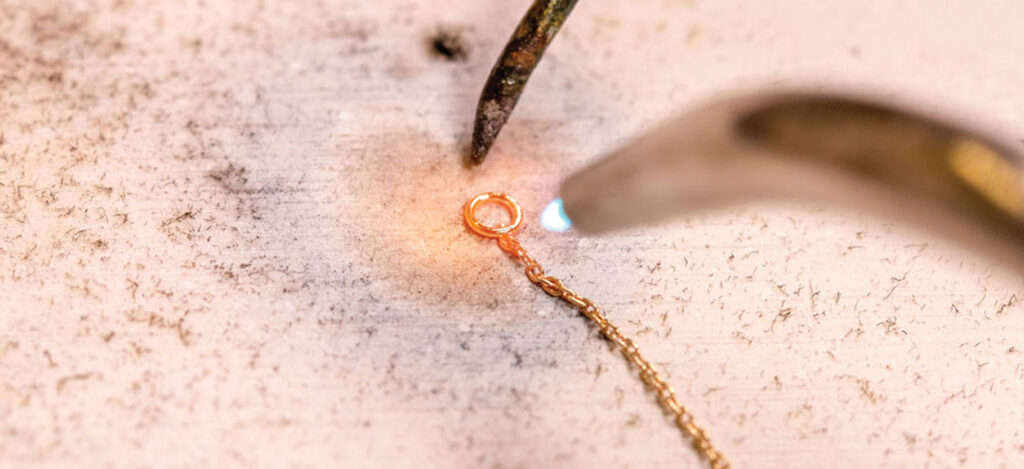
Old jewellery that's been repaired carries extra solder from each fix. A broken clasp, a re-soldered crack, a re-attached pendant — each one adds a small amount of lower-purity metal to the piece. Because different parts of the same piece carry different concentrations of solder, the purity can vary depending on where you test. That's why any honest buyer tests the piece themselves before completing the transaction.
What a Phone Quote for Gold Is Actually Telling You
When a buyer gives you a fixed price over the phone, they're quoting you a rate per gram for a purity they're assuming without accounting for actual deductions. That number will almost certainly change when you arrive and the piece gets weighed and tested.
The quote was bait, not a commitment.
What You Can Verify Before Booking a Gold Valuation at Home
You're not flying blind if you want a ballpark before deciding anything. Two things give you a genuine indication.
1
The live IBJA rate
This is public information, updated every morning. The IBJA publishes the benchmark gold rate daily. That rate, adjusted for your piece's purity, is the ceiling of what any honest buyer will offer — nobody pays above refinery value. You can check it yourself before calling anyone
2
The AsliValue estimation tool
Enter the approximate weight and karat of your piece and see an indicative value based on the current rate. It won't account for exact deductions — those need the piece in front of us — but it gives you a realistic range to work with before you commit to anything.
Source: IBJA Daily Gold Rate — ibja.co; rates published each morning by the India Bullion and Jewellers Association, Mumbai.
The Honest Position
What We Can Tell You Over the Phone
The rate we're working off. How the valuation formula works. What to expect on the day.
What requires the actual piece: net weight, deductions, and tested purity — all three.
Giving you a fixed number over the phone would mean guessing at two of the three variables in the formula. We won't do that. Not because of policy — because a guess isn't a quote.
When you're ready to sell, schedule a doorstep evaluation. We come to you, test in front of you, walk you through the full breakdown — weight, deductions, purity, rate — and you decide whether to proceed. No commitment before that.
Want an Indicative Value Before You Decide?
Use the AsliValue estimation tool to get an indicative value based on today's live rate and your piece's approximate details. It won't replace a proper gold valuation at home, but it gives you a realistic range to work with before committing to anything. No cost, no obligation.