
Gold Price India 2026: What Happened in the First Half
Record highs in January. The sharpest monthly fall in over a decade in March. The biggest import duty hike on record in April. Here's what actually happened.
Alok Parmar
June 09, 2026
Article Index
A Record High, a 13-Year Low, and the Biggest Duty Hike on Record — All in Six Months
Gold prices in India had an unusual first half of 2026. Prices hit a record in January, then posted their worst monthly fall in 13 years in March. In April, the government raised the import duty by 9 percentage points — the single largest hike on record. Three significant events in roughly four months, each pulling in a different direction. What follows is a factual account of what moved, what it meant, and what it means for anyone sitting on gold today.
Note: This is a factual review of what happened in the gold market between January and May 2026. It is not financial advice and is not a recommendation to buy or sell. The figures referenced are based on publicly reported market data available at the time of writing.
AT A GLANCE
Four numbers that defined the half
₹1.75L
Record domestic price per 10g, hit at end of January
-12%
International gold's worst monthly fall in nearly 13 years, March
₹240bn
Gold ETF inflows in January alone, a single-month record
40–70%
Share of jewellery sales funded by trading in old gold, across some markets in the half
THE PRICE STORY
Four months, four moves: how gold prices shifted in India in 2026
JAN
•
Record highs. Five in two weeks.
International gold passed $5,400/oz. Domestic prices hit ₹1.75L per 10g. ETF inflows briefly overtook equity funds. The rupee's weakness amplified every move upward.
FEB
•
First wobble. Down ~7% from the peak.
The rupee firmed, the market turned choppy, and prices slipped. There was a brief domestic premium ahead of the Union Budget as traders anticipated a duty change. It didn't come. Prices drifted back to a discount.
MAR
•
Worst month in 13 years.
International gold fell 12% in dollar terms. Domestic prices dropped 8%, a smaller fall only because the rupee weakened again. ETF outflows, unwinding of speculative positions, a stronger dollar. Even after all of that, gold was still up on the year.
APR
•
Partial recovery. And then the duty hike.
International gold stabilised near $4,722/oz, up roughly 8% for the year but still 13% below the January peak. Then in early April the government moved on import duty. That changed things.
POLICY EVENT OF THE HALF
The import duty hike
The largest single increase on record. It fully reversed the 2024 duty cut in one move.
6%
BEFORE APRIL
→
15%
AFTER APRIL
A 9-percentage-point jump would normally push domestic prices up sharply. In practice, prices rose only 4 to 6%. Weak seasonal demand and old gold coming back into the market through exchange absorbed most of the shock. The discount on local prices blew out to nearly $150/oz from $14/oz before the hike.
WHAT BUYERS ACTUALLY DID
High prices changed behaviour, not demand
Volumes fell. Value didn't. People bought less gold but spent more doing it.
Old gold did real work
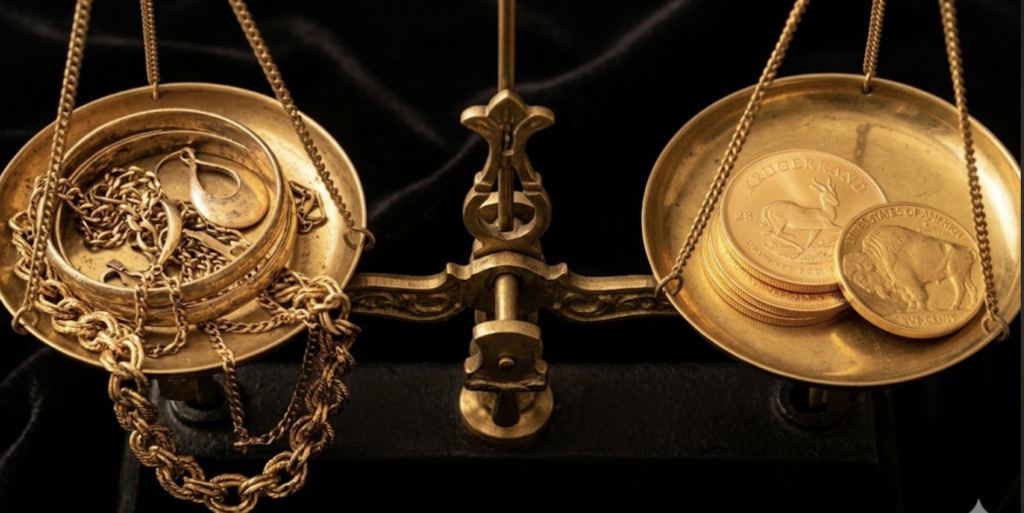
In some markets, between 40% and 70% of jewellery sales were funded by trading in old pieces. With prices high, the gold already sitting at home was being used to buy new gold rather than paying entirely in cash. That's not a niche behaviour. It's how a large chunk of the market actually moved.
ETFs overtook equity funds in January
For the first time, gold ETF inflows beat equity fund inflows in a single month. Total ETF holdings crossed 100 tonnes for the first time. The pace slowed sharply after that as profit-taking kicked in, but holdings kept rising through the half.
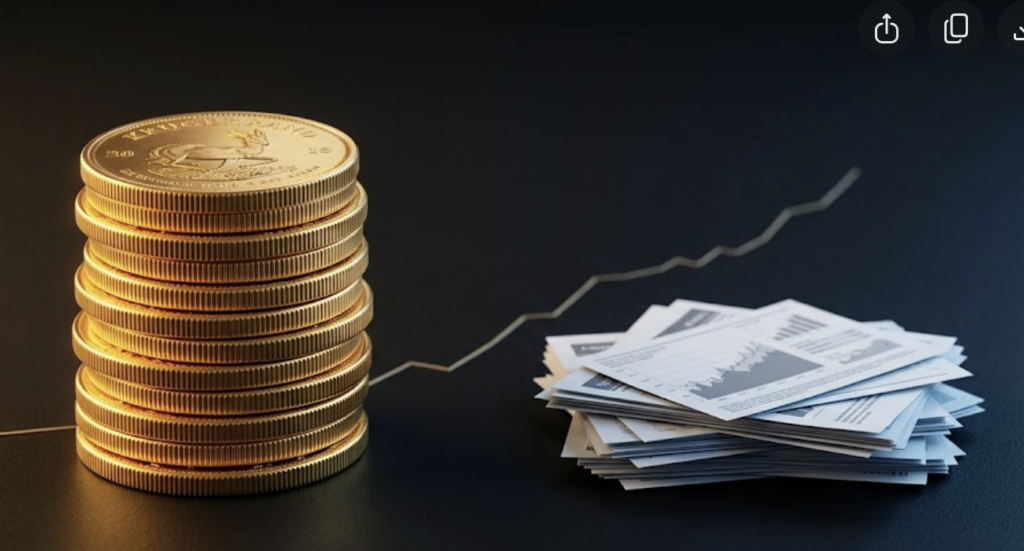
Figures in this review reflect publicly reported gold-market data through mid-May 2026, the latest available at time of writing. Prices and estimates are approximate. This is not financial advice and is not a recommendation to buy or sell. Every seller's situation is different.
Gold prices moved a lot in the first half of 2026
If you've been sitting on gold through all of this, the price movements described above directly affect your payout. Our expert comes to your home, tests your gold in front of you using touchstone and acid, and shows you the full calculation at the live domestic gold rate. You decide whether to sell. No commitment until you're ready.